
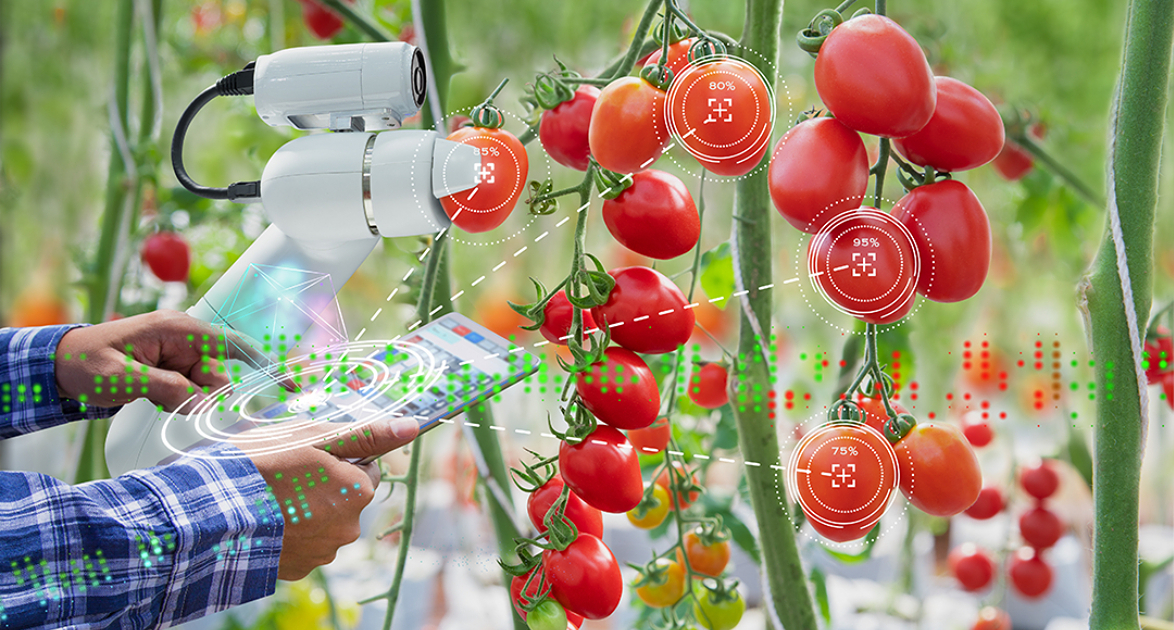
The connection between food and health has moved from the margins of scientific and consumer discourse to the center of how people think about wellbeing, longevity, and quality of life. What was once framed largely as nutrition advice is now understood as a complex, dynamic system involving metabolism, gut health, genetics, behavior, and environment. As this understanding deepens, technology is becoming the critical enabler that turns food from a generalized necessity into a personalized, measurable, and preventative health intervention. The future of food–health ventures will be built at this intersection of biology, data, and consumer experience.
At a fundamental level, food is one of the most powerful determinants of health outcomes. Diet influences chronic disease risk, immune function, mental health, and aging, often more profoundly than clinical interventions alone. Yet traditional food systems have treated consumers as homogeneous groups, offering standardized products with limited insight into individual needs. Advances in science and technology are breaking this model apart. Today, food is increasingly viewed as a form of “daily medicine,” and technology is what allows that idea to scale beyond niche wellness communities.
One of the most important shifts is the move from reactive healthcare to preventative and lifestyle-based health management. As chronic diseases such as diabetes, cardiovascular conditions, and obesity continue to rise globally, there is growing recognition that treatment alone is unsustainable. Food-based interventions—if properly designed and supported—offer a way to reduce risk earlier and more cost-effectively. Technology enables this shift by making the impact of food visible. Wearables, continuous glucose monitors, and at-home diagnostics translate biological responses into data, showing how different foods affect blood sugar, inflammation, sleep, or energy levels in real time.
This data-driven visibility is accelerating the rise of personalized nutrition. Advances in AI, microbiome science, and biomarker analysis are allowing companies to tailor dietary recommendations to individuals rather than populations. Instead of broad guidelines, consumers can receive food suggestions aligned with their metabolic profile, gut microbiome, activity levels, and health goals. Machine learning models can continuously adapt these recommendations as behavior and physiology change, creating a feedback loop between what people eat and how their bodies respond. For future food-health ventures, this personalization layer is becoming a key differentiator.
The role of technology extends beyond insight into execution. Digital platforms connect personalized guidance directly to food production, distribution, and preparation. Meal-planning apps integrate with grocery delivery, smart kitchens, and subscription-based nutrition programs. In some models, food is no longer a static product but part of a service: curated meals, functional ingredients, or supplements delivered as part of an ongoing health journey. This service-oriented approach mirrors broader shifts in healthcare and consumer technology, where continuous engagement replaces one-time transactions.
Biotechnology is also reshaping the food–health landscape. Advances in fermentation, precision nutrition, and alternative proteins are enabling the creation of foods designed explicitly for health outcomes—lower glycemic impact, improved gut health, or enhanced micronutrient absorption. These innovations are supported by digital tools that track efficacy, monitor consumer response, and refine formulations over time. In this way, technology shortens the feedback loop between scientific discovery, product development, and real-world impact.
Trust and transparency play an increasingly important role in this ecosystem. As consumers become more health-conscious, they demand clarity about ingredients, sourcing, and health claims. Technologies such as blockchain, digital traceability, and AI-powered labeling help ventures provide verifiable information about how food is produced and how it supports health goals. At the same time, responsible data governance is essential. Food-health ventures operate at the intersection of personal data, health information, and daily habits, making privacy and ethical use of data central to long-term success.
Another emerging dimension is the integration of food into broader healthcare and wellness systems. Employers, insurers, and healthcare providers are beginning to recognize nutrition as a lever for population health management. Technology makes it possible to incorporate food-based interventions into care pathways, reimbursement models, and wellness programs. Digital platforms can track adherence, measure outcomes, and demonstrate cost savings, helping food-health solutions move from consumer wellness into more formal healthcare ecosystems.
Looking ahead, the most successful food-health ventures will not be defined by a single product or technology, but by their ability to orchestrate ecosystems. They will combine biological insight, digital intelligence, supply chain innovation, and consumer-centric design into coherent experiences that fit seamlessly into everyday life. Technology will serve as the connective tissue—linking what people eat to how they feel, how they perform, and how they age.
The future of food and health is not about replacing medicine, but about complementing it with smarter, more personalized nutrition. As technology continues to illuminate the intimate relationship between diet and biology, food will increasingly be seen not just as fuel, but as a foundational platform for long-term health and wellbeing.